
Hiking tips for Dogs
ESSENTIAL SAFETY TIPS FOR HIKING WITH A DOG
Dogs are natural adventurers and walking with a dog can be a great way to strengthen your relationship with them while keeping them active and healthy.
Carrying your dog on the trail can enhance the lives of both you and your loved one, it is also important that you make sure you do it safely and responsibly. Maintain good control over your dog and take appropriate steps to ensure that your best friend is safe and comfortable in all trail situations.
Planning your trip if going away

Think about where you want to go and find hotels, B&B, and campsites that are dog friendly. Don’t always assume that there is an animal-friendly record that can accommodate the abundance of dogs. Some residences have a limited number of dear friends per room. It’s also a good idea to have a backup plan and keep a list of places near it that can accommodate you. For more information on accommodation, visit Dog-Friendly US.
Just because your four-legged friend likes to be out with you, doesn’t mean they’ll enjoy being away from home! Just as you can camp overnight with your family, do the same with your dog to find out if they are comfortable sleeping in an unfamiliar environment.
Decided where you want to hike? Check that dogs are allowed on the trails you intend to explore.
Prepare for your trip
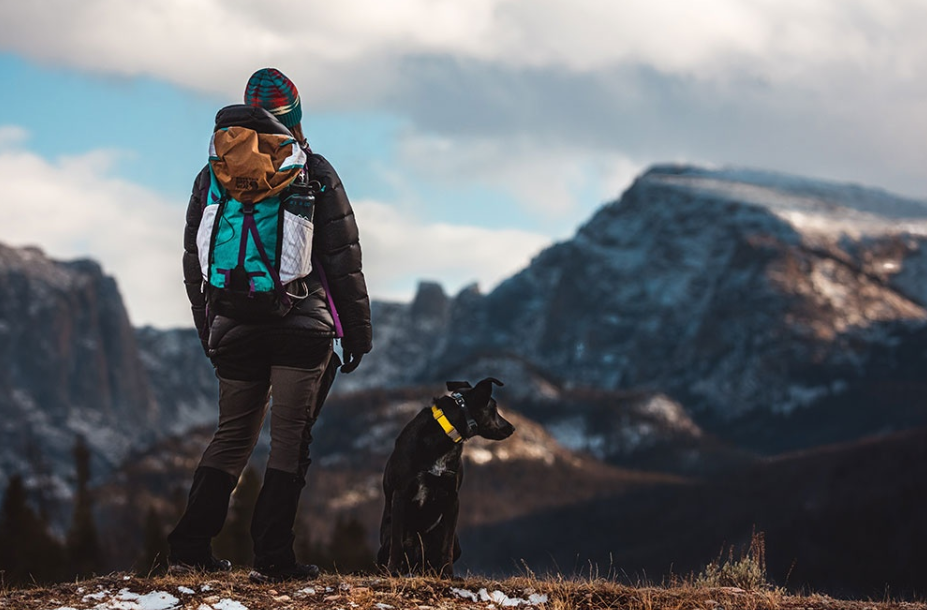
Walking in the park is very different from a long-distance hike. You just have to be more discriminating with the help you render toward other people. Make them comfortable by taking them on short trips to help build endurance and tighten their claw pads. You can gradually increase the distance with each walk and add hills to the mix if your addition will include tilt. Not sure if your dog has the right level of fitness? Your doctor should be able to give you advice.
You should get in the habit of checking your dog in the evening after or before walking together. Areas of concern are eyes, ears, claws, tail, and armpits. If your dog is reluctant to examine you, make sure you reward him for his good behavior.
Eyes – check for grass seeds
Ears – check for mites and other foreign objects such as grass seeds or loose pieces of foliage
Paws – check for cuts on the pads, also grass seeds and ticks
Tail – foreign objects caught in fur
“Armpits” – Check here that the bark and twigs have been caught as your dog would like to charge through the undergrowth. If left unmanaged, they can be left astray and lose the right path.
Mouth – Check for rubbing around the mouth, cuts on the gums, etc. Do not try to “carry” plays with small pieces of branches as they can cause hidden damage to the throat and / or mouth.
If you find something you are not sure how to deal with, see your local doctor to be safe. In addition, it is important to make sure that your dog is up to date with your vaccine and flea and tick prevention, especially when planning to explore a place you have never visited before.
Packing List
Just as you like to take your creature comforts away with you, your dog will appreciate it too:
• Treats – Encourage good behavior and reward as necessary.
• Favorite toy – You are going to have time to play with this whilst out and about.
• Favorite blanket –Sleeping in strange places can be made better with the familiar smell of home.
• Brush or comb – Got to keep looking our best, haven’t we? (also, very helpful with removing foreign objects or any tangles they have picked up that day).
• Medication –If your dog requires any medication, remember to pack this.
• Doggie First Aid Kit– Cuts and strains can happen so make sure you are prepared.
• Vaccination card –Some places you stay may ask to see this. It is also useful if you need to attend a vet whilst away from home.
• Pet insurance details – Just to be on the safe side whilst away from home in case anything happens and your dog needs treatment.
• Animal-friendly wipes – For general clean up.
• Disposable poly bags – You still need to clean up after your dog when out in the wilderness.
• Dog Water Bottle and Fold Away Dog Bowl – Whilst many places have bowls of water available for your dog when you are in the middle of nowhere, there won’t always be somewhere for him to get a drink, especially on hot days.
• Lead & Harness – An essential on any dog walk! Opt for a sturdy lease that isn’t extendable to keep them close on uneasy trails.
• Whistle – If your dog has been trained to come to a whistle, it’s often much better than trying to call their name.
• Food and Drink – Just as you will be using more energy through the day, so will your dog. If it is a particularly tough hike you may need to feed them as much as double what you would on a normal day. Check with your vet to ensure they will be getting enough calories to sustain the level of exercise. Your dog’s favorite food may not be available where you are going (pack a more than enough tins/bags of their food or look online for local stockiest).
1. Make sure your dog is healthy enough to hike
Use good judgment and do not bring pets that are not suitable for hiking. When you consider factors such as breed, size, personality, and age, not all dogs are suitable for hiking. Hiking is a strenuous activity that should not be done by a dog who cannot handle the strenuous activity. Steep and rugged terrain can be difficult and dangerous for some pets to visit.
If you want your child to carry some hiking equipment, train them well in advance. Start by putting a light pack on his back and take a short walk and then reach a heavy load. In the best physical condition, dogs should be able to carry up to 25% of their body weight.
2. Keep dogs leashed and stay on designated trails
Always confirm before leaving that dogs are allowed on the hiking trail. You should be aware that most national and state parks do not allow dogs. Even if dogs are not required by law to be leased, it is a good idea to keep them leased for safety.
When traveling on foot, respect other pedestrians and dogs and do not stray from designated routes. Be sure to keep an eye on your dog and don’t let it wander. Between wild animals and venomous snakes and plants, keeping your dog with you will prevent accidents.
3. Let your dog take frequent rest breaks while hiking
Be sure to stop frequently along the trail to offer your dog water and occasional food. Keep in mind that dogs may be at risk of heatstroke on hot days. Do not feed your dog before or after hiking as it may get sick. Feed them at least one hour before or 30 minutes after hiking
Keeping dogs safe around water sources is especially important. Do not allow your dog to swim or drink in unsafe water as it may get sick from harmful parasites or algae in the water. If you walk to remote areas and do not have access to safe, clean water, pack plenty of bottled water or bring a portable water purifier.
4. Respect the hiking environment and pick up after your dog
Respect the environment and your fellow hikers by following your dog along the hiking trails. Use pet waste bags and throw them in the trash or bury pet waste at least 200 feet away from trails, water sources, and campsites. Premature pet store supplies.
5. Pack plenty of pet supplies for your hiking trip
Your goal might be to travel lightly, but when packing hiking supplies for your dog it’s better to have more than less. Here’s a list of items to carry with you on your hike:
- Food and treats
- Safe drinking water
- Collapsible food and water bowls
- Leashes
- Disposable waste bags
- Pet first aid kit
- Pet insect repellent
- Protective dog clothing and booties