
Best Dayhiking Tips
Day Hiking Essentials Checklist
Heading out for a day hike is a delightful way to explore nature with friends and family, or even by yourself. Whether you want to go deep into the mountains or stay closer to home, the places to go are numerous; many state and national parks offer broad networks for trails, as does national forest land.
To determine what you need to bring on a day hike, think about how far you plan to hike, how remote the location is and what the weather forecast has in store. In general, the longer and/or more remote the hike is and the more inclement the weather, the more clothing, gear, food, and water you’re going to want. If you’re just getting into day hiking, be sure to read our Hiking for Beginners article before you head out.
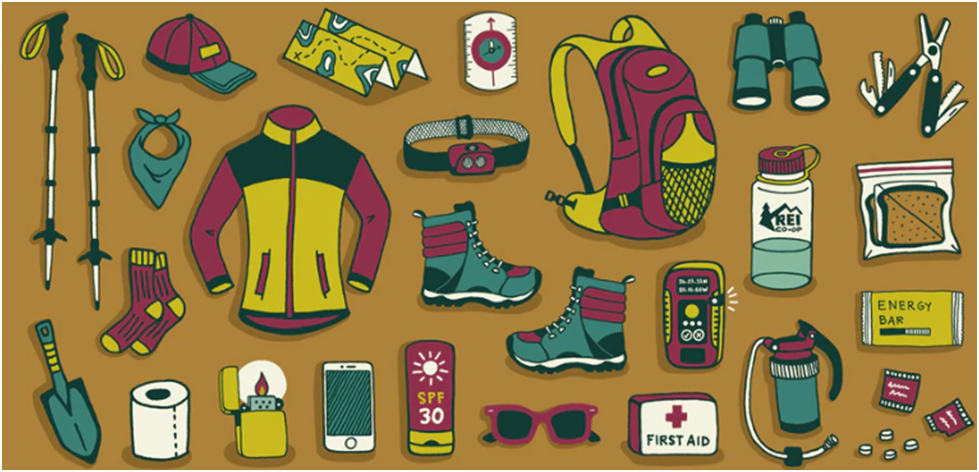
What to Bring Day Hiking
These items should be on your hiking checklist:
- Hiking backpack
- Weather-appropriate clothing (think moisture-wicking and layers)
- Hiking boots or shoes
- Plenty of food
- Plenty of water
- Navigation tools such as a map and compass
- First-aid kit
- Knife or multi-tool
Hiking Gear
A backpack is the primary piece of gear for day hiking. One that holds 11–20 liters of gear is about right for short, simple hikes, while something bigger is good for treks where more food, water, clothing, and gear is required.
Clothing & Footwear
Check the forecast and make sure to dress for the conditions. To be prepared for changing weather or an unplanned night out, pack extra clothes beyond those required for the trip. It’s also important to consider how much protection your clothing provides against the sun’s ultraviolet rays. For footwear, determine what to wear based on the terrain. On gentle hikes on smooth trails, hiking shoes or trail runners are sufficient. For treks on rocky, rugged trails, boots will provide more support.
Food & Water
Pack snacks like energy bars, jerky, and nuts that you can eat easily on the trail. Some people like to bring a sandwich for lunch, too. For water, you can usually start with about two liters per person for the day, but adjust the amount depending on the length and intensity of the hike, weather conditions, your age, sweat rate, and body type.
Navigation
Navigation is one of the Ten Essentials. The type of trip you’re taking and your personal preferences will determine exactly which items you’ll bring.
Emergency & First Aid
First-aid kit or first-aid supplies *
Lighter/matches and firestarter *
Emergency shelter *
Whistle
Two itineraries: 1 left with a friend + 1 under the car seat
Health & Hygiene
- Hand sanitizer
- Menstrual products
- Prescription medications
Sun protection:
- Sunscreen
- Sunglasses (+ sunglasses straps)
- Sun hat
Optional:
- Insect repellent *
- Toilet paper
- Urinary products
- Sanitation trowel (if no toilets)
- Baby wipes
- Alcohol or antiseptic wipes
- Blister treatments
Tools & Repair Items
- Knife or multi-tool
- Small gear-repair kit (duct tape, zip ties, etc)
Day Hiking Extras
- Headlamp or flashlight * (with extra batteries)
- Camera
- An interpretive field guide(s)
- Outdoor journal with pen/pencil
- Binoculars
- Two-way radios
1. WHAT TO PACK FOR YOUR FIRST HIKING TRIP
Packing for a short hike does not require too much. After all, you will be carrying everything with you during your hike, so the lighter you pack, the better. However, you will need a few essential items if you plan on hiking all day. Here is a hiking gear list to use as your packing guide:
- Navigation Tools: Make sure to bring a map, compass, or GPS for your hiking trip. You’ll want to know where you are and where you’re going at all times, but you will also want to know where all the campsites, emergency exits, water sources, and rest areas are located. The American Hiking Society recommends bringing along a map or compass — even if you have a GPS as a backup. When you know what to expect, you can plan other details better and enjoy the hike without worrying about getting lost.
- Adequate Water: Water is perhaps the most important item on your hiking gear list. Without enough water, your body cannot perform at its best. Make sure to hydrate before the hiking trip and sip water throughout the day. Whether it is cold or hot outside, an adequate water supply should always be a priority.
- Adequate Food: You want the hiking experience to be as fun as possible, and everyone is happier when their bellies are full. Bring along extra snacks so you and your hiking companions can enjoy long moments near a mountain stream.
- Clothing and Rain Protection: Sometimes, no matter how much you plan, the weather proves the forecast wrong. You cannot always predict a sudden storm or rain shower, but you can prepare for surprises. To solve this problem, pack a lightweight poncho or dress in layers so you can adjust to temperature changes easily.
- Safety Items: If you are hiking an easy, well-maintained trail that sees a lot of foot traffic, you may not be as worried about safety. No matter what you anticipate your hike to be like, you will want to include a firestarter, a flashlight and a whistle in your safety kit, so you are prepared for any situation. A fire can signal for help and keep you warm, a whistle calls for help and a flashlight will guide you in the dark.
- First-Aid Kit: Build a personalized first-aid kit, which might include blister treatment, bandages, tape, antibiotic ointment, gauze pads and any medications that you or your companions may need.
- Multi-Purpose Tool or Knife: Another hiking must-have is a knife or multi-purpose tool. You never know when you might need to cut fabric to make bandages or even just open a stubborn package of trail mix. A knife can also come in handy if you need to make a fire.
- Sun Protection: Bring along sunscreen to protect your skin from sunburn and ultraviolet (UV) radiation and don’t forget sunglasses to shield your eyes. Use a broad-spectrum sunscreen that is SPF 15 or higher and sunglasses that provide 99 to 100 percent ultraviolet A (UVA) and ultraviolet B (UVB) protection. If possible, aim to hike on shaded trails between 10 a.m. and 4 p.m. when the sun shines strong, and use mornings for open-area hikes. Reapply sunscreen every two hours or more if you’re sweating a lot.
- Backpack: Choose a pack that feels comfortable for you and that won’t put excess strain on your back and shoulders. Always wear both shoulder straps, and make sure the backpack rests close to your body and high on your back. Backpacks with padded, adjustable hip belts are great for hiking, as they take the strain off of your shoulders and back.
- Trash Bag: Pack a trash bag to keep the trails you trek beautiful, clean, and free of garbage. A zippered plastic bag is perfect for containing wrappers and other trash until you get back. Be sure to help younger hikers dispose of their trash properly.
- Bug Spray: Ticks, bees, spiders, and mosquitoes are some of the insects you might encounter on your hike, depending on where you go, the time of day, and the season. However, you don’t have to let these pests ruin a great hike. In buggy areas, you can use DEET insect repellent. Be sure to reapply frequently. DEET is not suitable for small children, so choose an alternative like citronella spray the kids.
- Toiletries: If you plan to hike far away from public restrooms, prepare for bathroom breaks by bringing toilet paper, hand sanitizer, waste bags, and any other necessities.